
Top Tips for Choosing the Perfect Event Venue
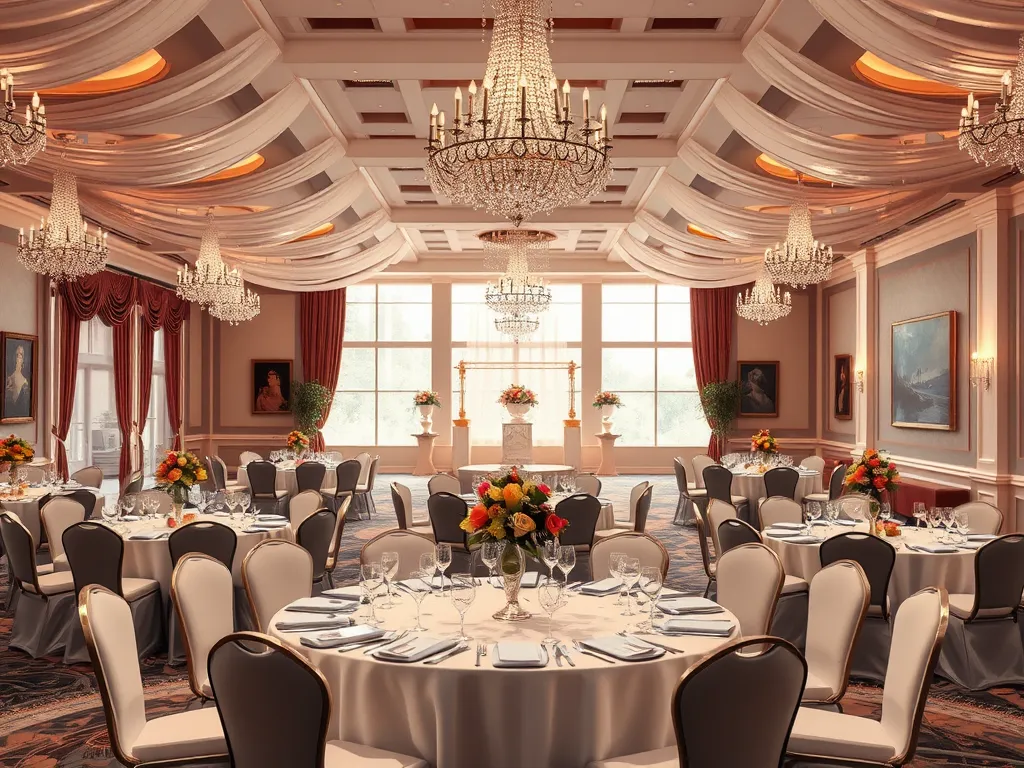
Choosing the Perfect Event Venue
Choosing the Perfect Event Venue is one of the most critical steps in planning a successful event. The venue sets the tone, accommodates your guests, and creates the overall atmosphere necessary for your event's success. The right venue can elevate an ordinary event into an unforgettable experience, while the wrong choice can lead to logistical headaches and dissatisfied attendees. Therefore, understanding how to choose the perfect venue is essential.
When choosing the perfect event venue, factors such as size, location, ambiance, and the services provided must be considered. These elements influence how your audience interacts and engages throughout the event. From corporate meetings to weddings and social gatherings, each event requires a unique venue that aligns with its specific goals and objectives. Therefore, identifying your event needs beforehand will guide you in thoroughly evaluating potential venue options.
The process of choosing the perfect event venue can involve several steps. Firstly, define your event's purpose and objectives. Next, create a checklist of requirements, including capacity, location, amenities, and budget. Finally, visit multiple venues to see how they suit your event's needs. Each venue will have its pros and cons, making it essential to analyze how well they align with your vision for the event.
In your search for the perfect venue, collaboration with stakeholders is crucial. Engaging with team members, clients, or family can provide valuable insights and perspectives, ensuring that the chosen venue fulfills everyone's expectations. This collective approach can lead to a more thoughtful selection process, ultimately enhancing the overall experience for all attendees. Thus, when navigating the intricacies of choosing the perfect event venue, consider the opinions of those involved.
Ultimately, choosing the perfect event venue requires balancing various factors, including practicality, aesthetics, and budget considerations. By taking a systematic approach and considering multiple options, the likelihood of securing a venue that meets all expectations increases considerably. This careful selection process lays the groundwork for an unforgettable event experience that resonates with every participant.
Location Considerations
The location of the venue is vital for accessibility for attendees. It's essential to select a venue that is easy to reach to encourage attendance and maintain a positive experience. Consider factors such as public transport availability, parking facilities, and proximity to major roads or airports. A centrally located venue can significantly increase attendance rates and reduce logistical challenges.
Proximity to hotels and amenities is another important consideration when choosing an event venue. If your event spans multiple days or involves guests from out of town, having accommodation options nearby is crucial. Additionally, access to restaurants, cafes, and entertainment venues can enhance the experience for attendees, providing them with convenient options during their stay.
Transport options available around the venue can also be a game-changer. Look for venues that offer shuttle services, are located near public transport hubs, or provide easy access to major highways. A venue with excellent transport links not only supports ease of access for guests but also assists with catering logistics, equipment transportation, and other event-related requirements.
Choosing the right Event Venue can significantly enhance the experience and impact of any gathering.
Venue Capacity
Determining the right size for your event is fundamental to a smooth experience. An overcrowded venue can lead to discomfort, while a too-spacious venue may create feelings of emptiness, impacting the atmosphere. When evaluating potential venues, keep a close eye on minimum and maximum capacity numbers to ensure the chosen space is appropriate for your guest list.
Understanding optimal networking space is another crucial aspect of venue capacity. For events focusing on networking or interaction, ensure there are areas where guests can mingle, such as lounges or breakout rooms. Consider layout flexibility within the venue that allows for adjustments based on the expected flow and dynamics of the event.
Managing crowd control effectively is essential in any event. A properly sized venue contributes to smooth transitions between sessions, meals, and activities. Ensure the layout allows for proper signage and organized areas for attendees to gather without causing congestion or confusion, creating a pleasant and professional environment throughout the event.
Ambiance and Style
Matching venue style with the event theme is a critical component of creating a cohesive experience. Whether you're hosting a formal gala, a relaxed corporate gathering, or an outdoor wedding, the venue should reflect and enhance your event's theme. Consider architectural features, decor, and overall aesthetics when evaluating potential locations.
The importance of lighting and decor in setting the ambiance cannot be overstated. A venue with good natural light or existing ambient lighting creates a welcoming atmosphere. If the venue requires additional lighting adjustments, factor that into your planning to ensure that everything aligns with the intended mood of the event.
Evaluating indoor vs outdoor settings is another consideration for ambiance and style. Each environment offers unique advantages and challenges; indoor venues provide climate control, while outdoor settings can offer stunning natural backdrops. Assessing the pros and cons of both options will help you choose what aligns best with your event's vision and style.
Price and Budgeting
Understanding venue rental costs is an essential aspect of planning any event. Each venue will have different pricing structures based on its location, amenities, and capacity. Creating a budget and sticking to it is essential. Establish transparency on what's included in the rental fee from the outset to avoid any surprises later in the planning process.
Hidden fees can often catch event planners off guard. Costs such as cleaning fees, security deposits, and charges for additional services can quickly add up. Be sure to ask about any extra charges that might not be immediately obvious to ensure you budget accurately for the entire event.
Tips for negotiating venue prices can often provide significant savings. Leverage off-peak times or the possibility of bundling services to negotiate better rates. Building rapport with venue staff can also lead to more flexibility on pricing and potential discounts. Don’t hesitate to explore multiple venues and gather quotes to strengthen your bargaining position.
Amenities and Services
Catering options available at the venue are integral to ensuring a successful event. Look for venues that offer in-house catering services or have a list of preferred caterers. This can streamline logistics and ensure a smooth dining experience for attendees, which is vital for their overall satisfaction with the event.
AV and technical support is also an essential service to consider. Ensure the venue is equipped with the necessary technology to support your event's needs, whether it be audiovisual equipment for presentations or Wi-Fi connectivity for attendees. Asking for detailed specifications and available support staff can help avoid technical hiccups during the event.
Parking facilities and accessibility must be considered when choosing an event venue. Adequate parking can alleviate stress for attendees arriving by car, while accessibility for individuals with disabilities is a legal requirement and crucial for inclusivity. Evaluate both aspects to ensure that the venue accommodates all guests comfortably.