
Top Strategies for Organizing Successful Community Events
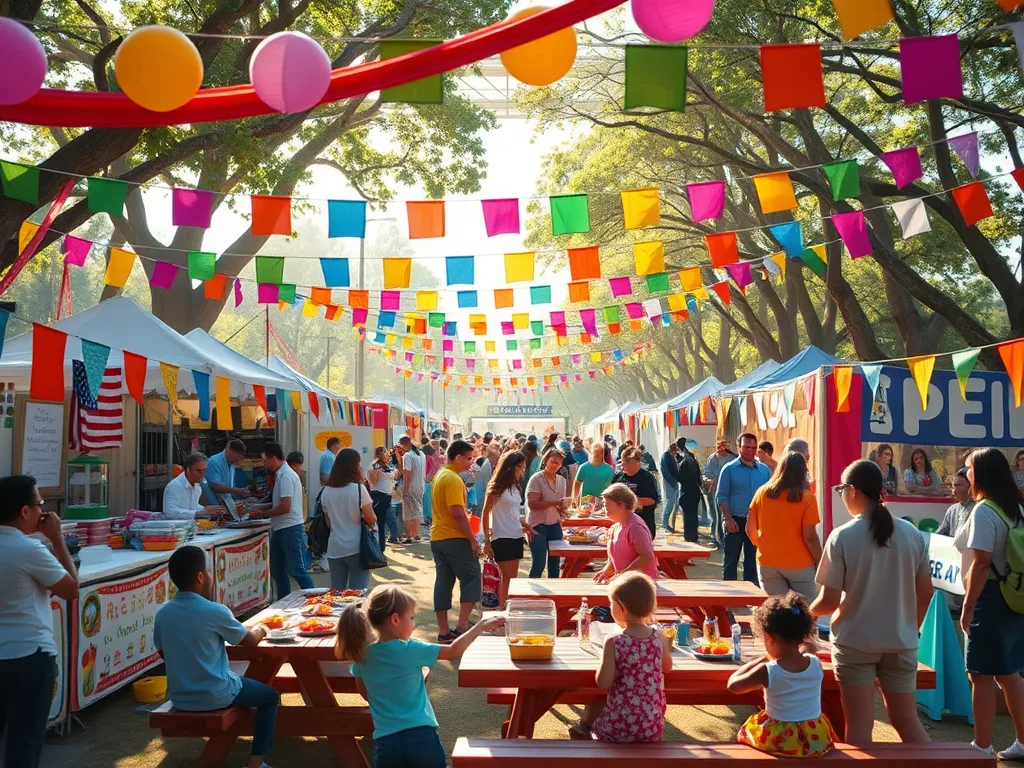
Community Events Organization: A Guide to Successful Event Planning and Execution
Community Events Organization involves the strategic planning, coordination, and execution of events that engage and bring together community members. Events can range from small gatherings to large festivals, and the goal is to create opportunities for social interaction, cultural expression, and community building. Successful community events help foster a sense of belonging and pride among residents, while also encouraging participation in community activities.
The process of Community Events Organization requires careful consideration of various elements, including defining the purpose of the event, determining the target audience, and selecting the right activities that will resonate with community members. By understanding the unique characteristics of the community, organizers can design events that cater to the interests and needs of the people, ensuring greater attendance and satisfaction.
Effective Community Events Organization also involves coordination among various stakeholders, such as local government, businesses, and community organizations. Collaborating with these groups can provide additional resources and support, enhancing the overall quality of the event. Furthermore, community involvement can lead to increased investment and enthusiasm, making the event a true reflection of the community's values and identity.
Throughout the planning process, it is crucial to communicate clearly and regularly with all parties involved. This not only keeps everyone informed of their responsibilities but also fosters a sense of teamwork and collaboration. As the event draws closer, organizers must focus on the logistics of the event, ensuring that every detail is accounted for to avoid potential issues on event day.
Post-event evaluation is also an essential part of Community Events Organization. Gathering feedback from attendees and analyzing the success of the event allows organizers to identify strengths and weaknesses, paving the way for improvements in future events. By continuously refining their approach, organizers can enhance community engagement and ensure that events become a cherished tradition within the community.
Planning and Preparation for Community Events
Setting clear goals for the event is the foundation of successful Community Events Organization. Goals should be specific, measurable, achievable, relevant, and time-bound (SMART). By defining what the event aims to achieve, organizers can tailor all aspects of planning and execution to align with these objectives, whether it’s raising funds, promoting awareness, or simply bringing people together for fun and socializing.
Creating a detailed event timeline is crucial for effective Community Events Organization. A timeline helps prioritize tasks and ensures that nothing is overlooked, as it breaks down the entire planning process into manageable steps. Assigning deadlines for each task and monitoring progress helps keep the planning team accountable and on track, resulting in a smoother event experience.
Developing a budget for the event is another vital aspect of Community Events Organization. The budget should account for all anticipated expenses, such as venue rental, permits, supplies, marketing, and entertainment. It’s also essential to consider potential sources of funding, including sponsorships, ticket sales, and grants. By maintaining a clear budget, organizers can avoid overspending and ensure that resources are allocated effectively to meet event goals.
Participating in local initiatives fosters connections and encourages collaboration through various engaging Community Events that enrich our neighborhoods.
Identifying and securing a suitable venue is necessary for any Community Events Organization. The venue should be accessible, accommodate the expected number of attendees, and align with the event's theme and activities. Organizers should also consider logistics such as parking, public transportation, and the availability of necessary amenities, ensuring a positive experience for all attendees.
Engaging the Community in Event Planning
Conducting surveys to understand community needs is an essential part of engaging the community in event planning. Surveys can provide valuable insights into what types of events residents are interested in and what concerns or preferences they may have. This data can guide organizers in designing events that resonate with the community, fostering higher participation and enthusiasm.
Involving local businesses as sponsors can amplify the impact of community events while also fostering strong relationships between organizers and the business community. Sponsors may provide financial support, in-kind donations, or promotional assistance. This collaboration not only helps fund the event but also encourages local businesses to become invested in the event's success and in the community as a whole.
Recruiting volunteers and community leaders is crucial for effective Community Events Organization. Volunteers can assist with various tasks such as setup, registration, and providing support during the event. Engaging local leaders or influential community members can also help build credibility and attract more participants. Creating a sense of ownership among volunteers fosters commitment and enthusiasm, enhancing the overall event experience.
Using social media for outreach and engagement is an effective strategy for building excitement around community events. Social platforms provide a powerful way to share information, promote the event, and connect with community members. By sharing updates, behind-the-scenes content, and engaging with followers, organizers can create a buzz and encourage attendees to share their experiences, amplifying the event's reach.
Marketing and Promotion Strategies
Effective use of social media platforms is critical in today's digital age for promoting community events. Platforms such as Facebook, Instagram, and Twitter allow organizers to reach wide audiences and engage with potential attendees in real-time. By creating engaging content, utilizing hashtags, and encouraging sharing, organizers can increase visibility and excitement leading up to the event.
Creating eye-catching promotional materials, such as flyers, posters, and digital graphics, is essential for marketing community events. These materials should be visually appealing and provide key information, including date, time, location, and event highlights. Utilizing local art or community themes can also help create a sense of familiarity and pride in the event, encouraging participation.
Collaborating with local influencers can help expand the outreach of community events. Influencers can promote the event to their followers, encouraging attendance and generating interest. Whether they are community leaders, local celebrities, or active social media users, their endorsement can lend credibility to the event and attract a broader audience.
Utilizing press releases and local media is an additional way to promote community events. Reaching out to local newspapers, radio stations, and television outlets can help spread the word and attract attention. By crafting a compelling press release that highlights the significance of the event, organizers can enhance visibility and encourage media coverage, ultimately leading to greater participation.
Logistics and Operations Management
Coordinating event setup and breakdown is an important aspect of Community Events Organization. A well-prepared plan for setup ensures that all elements are in place before attendees arrive, while a structured breakdown process helps efficiently dismantle the event. Assigning responsibilities and creating a checklist can streamline these operations, minimizing potential disruptions and ensuring a successful event.
Implementing safety and emergency plans is crucial for any community event. Organizers should anticipate potential risks and develop strategies to address them effectively. This may include first-aid stations, emergency contact numbers, crowd management plans, and security measures. By prioritizing safety, organizers can create an environment where attendees feel secure and enjoy the event without worry.
Managing vendor and supplier relationships is essential for successful Community Events Organization. Organizers must communicate clearly with vendors regarding expectations, deliverables, and timelines. Building strong relationships with reliable suppliers ensures that all necessary materials and services are available for the event, enhancing overall execution and guest experience.
Overseeing on-site event staff and volunteers during the event is crucial for maintaining smooth operations. Assigning a team leader and clear roles to all staff and volunteers helps ensure that everyone understands their tasks, contributes effectively, and is accountable. Ongoing communication and support during the event can foster a positive environment and help address any unexpected challenges that arise.
Evaluating and Enhancing Future Events
Collecting feedback from participants is a vital part of evaluating community events. Surveys, interviews, or informal discussions can provide valuable insights into attendees’ experiences, what they enjoyed, and areas where improvements can be made. Engaging with participants after the event demonstrates a commitment to continuous improvement and community engagement.
Analyzing event success metrics, such as attendance numbers, engagement levels, and financial outcomes, is essential for Community Events Organization. By measuring these metrics against the goals set during the planning phase, organizers can assess whether the event was successful and identify specific areas for enhancement in future events.
Identifying areas for improvement is critical for refining the approach to community events. By reviewing feedback and success metrics, organizers can pinpoint challenges and develop actionable changes to enhance future events. This process of continuous improvement ensures that each event becomes better aligned with community needs and expectations.
Building a community event toolkit for future use can provide organizers with a valuable resource for planning upcoming events. This toolkit may include templates, checklists, best practices, and contact information for local vendors and volunteers. By establishing such a resource, organizers can save time and improve efficiency in their planning processes, ultimately contributing to more successful community events in the future.