Mastering The Art and Techniques of Floral Design
The Art and Techniques of Floral Design
The Art and Techniques of Floral Design is a multifaceted discipline that combines creativity, skill, and an understanding of botanical principles to create beautiful floral arrangements. From weddings to corporate events, floral design enhances the aesthetic appeal of any occasion. The artistry involved requires knowledge of color theory, arrangement styles, and various techniques to create stunning visuals that convey emotions and themes.
At its core, The Art and Techniques of Floral Design emphasizes the importance of understanding not only the flowers themselves but also the context in which they are used. Different arrangements can evoke different feelings; for example, a soft pastels arrangement may create a sense of calmness and tranquility, while vibrant reds and yellows can bring energy and excitement. Understanding these dynamics is fundamental in achieving the desired effect.
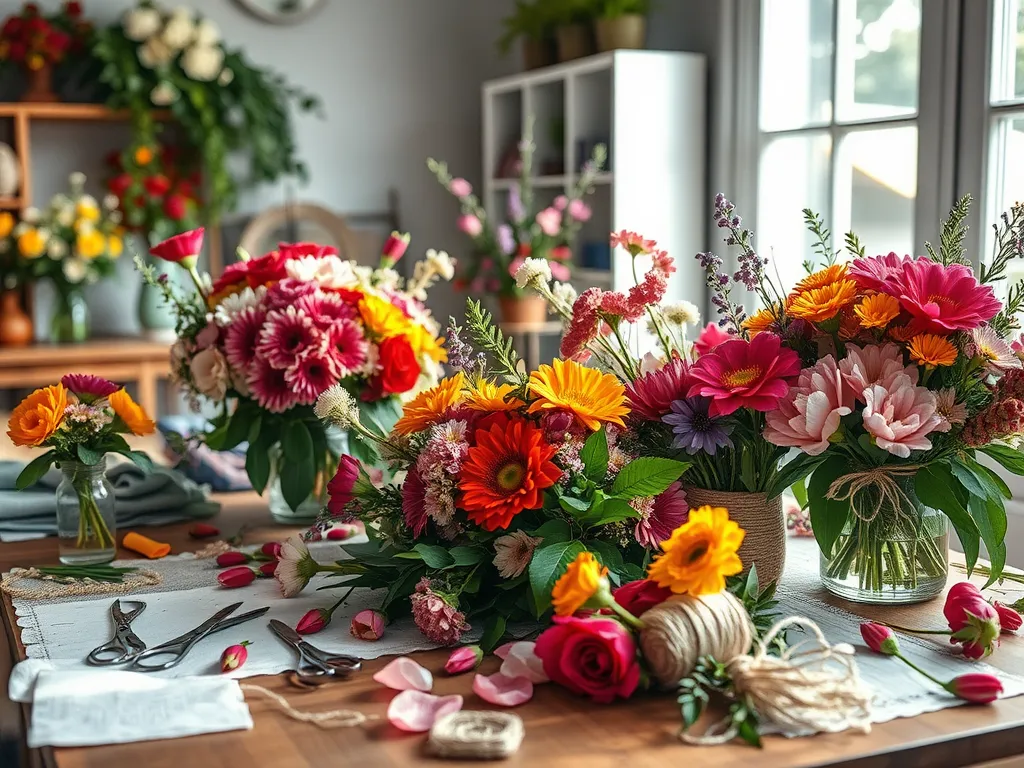
Additionally, The Art and Techniques of Floral Design also involves mastering a variety of tools and materials. Floral designers often work with a range of implements, from traditional scissors and wire to innovative sustainable solutions. Each tool serves a specific purpose and requires different techniques for effectiveness, allowing for creativity and flexibility in designs.
Moreover, The Art and Techniques of Floral Design is continually evolving with trends that reflect contemporary aesthetics and sustainability. Designers are increasingly incorporating elements like seasonal flowers and eco-friendly practices into their arrangements. This not only enhances the beauty of designs but also aligns with the growing demand for environmental responsibility in the floral industry.
Finally, The Art and Techniques of Floral Design includes the important aspect of maintenance and care for arrangements. Knowing how to properly care for fresh flowers or construct long-lasting designs is crucial for any floral designer, ensuring that their creations remain stunning for as long as possible.
Fundamentals of Floral Design
A fundamental aspect of The Art and Techniques of Floral Design involves understanding color theory. Color plays a critical role in floral arrangements, where the combination of hues can create visual interest and set a specific mood. Designers learn to create color schemes based on primary, secondary, and complementary colors to achieve balance and harmony. Knowledge of color temperature—differentiating warm from cool tones—is also essential, as it greatly influences the overall feel of the arrangement.
Mastering the art of Floral Design can transform simple gatherings into breathtaking experiences that captivate every guest.
Another important fundamental in The Art and Techniques of Floral Design is knowing the types of floral arrangements. There are several styles, including bouquets, centerpieces, wreaths, and corsages, each serving a different purpose and often requiring specific techniques for construction. Understanding these types allows designers to select the right approach for their intended message and setting, whether for a romantic wedding or a corporate meeting.
The principles of design—balance, contrast, and harmony—are also crucial in The Art and Techniques of Floral Design. Balance can be symmetrical or asymmetrical, helping to create a pleasing visual weight in arrangements. Contrast involves using opposing elements, such as different colors, shapes, or textures, to highlight specific features. Lastly, harmony ensures that all components of the arrangement work together cohesively, contributing to an overall unified design.
Tools and Materials for Floral Design
To successfully create beautiful arrangements, floral designers must be equipped with essential tools. From the basic scissors and knives to more specialized tools like floral tape, wire, and adhesive, each tool has a specific role that aids in the crafting of arrangements. For instance, floral foam helps stabilize stems, while wire can be used for support or to create intricate shapes. Mastery of these tools is vital for producing professional results.
Choosing the right flowers and foliage is another aspect of The Art and Techniques of Floral Design. A knowledgeable designer understands which flowers bloom in different seasons and their respective lifespan. This understanding allows for selections that not only fit the design aesthetics but are also accessible and sustainable. Additionally, pairing complementary foliage can enhance the overall look and feel of an arrangement.
Sustainable materials in floral design are gaining popularity as the industry leans toward environmentally friendly practices. Designers are now exploring options like biodegradable foam, locally sourced flowers, and recyclable packaging. Using sustainable materials not only minimizes environmental impact but can also create unique and memorable designs that resonate with eco-conscious clients.
Techniques in Floral Arrangement
One of the most significant techniques in The Art and Techniques of Floral Design is arranging flowers for weddings. These arrangements often require a high level of precision and personalization. Wedding designers usually consider the theme, venue, and personal styles of the couple while creating stunning bouquets, centerpieces, and installations that enhance the overall aesthetic of the special day.
Using floral foam and wire techniques is another essential part of floral arrangement. Floral foam allows designers to hold stems in place securely, creating structured arrangements that are visually appealing. Wire techniques help create intricate designs and support heavier blooms. Mastering these tools allows designers to innovate and push creative boundaries in their arrangements.
Creating a balanced centerpiece is a crucial technique in The Art and Techniques of Floral Design, particularly for events such as banquets or receptions. A well-balanced centerpiece not only serves as an eye-catching focal point but also allows for conversation among guests. Designers must carefully consider height, volume, and color to create an arrangement that enhances tabletop aesthetics without obstructing views.
Floral Design Styles and Trends
In exploring Floral Design Styles and Trends, several popular styles have emerged, such as minimalist, wildflower, and classic arrangements. Minimalist designs focus on simplicity and clean lines, often featuring single stems or sparse arrangements that emphasize negative space. Wildflower arrangements, on the other hand, embrace a more organic and natural look, showcasing an assortment of colors and textures. Classic arrangements typically involve traditional flowers with structured composition, appealing to formal occasions.
Current trends in floral design reflect a shift toward more personalized and meaningful arrangements. Many designs now incorporate personal elements, such as heirloom flowers or custom color palettes that reflect the client's taste and preferences. Additionally, floral designers are experimenting with unconventional materials and styles, creating unique pieces that stand out as works of art.
Incorporating seasonal flowers and colors is increasingly important in The Art and Techniques of Floral Design. Designers draw inspiration from nature, using blooms that are in season to ensure freshness and vibrancy. This practice not only aligns with sustainability but also brings life and relevance to arrangements, allowing them to resonate with the feelings and themes of different times of the year.
Event Floral Design
Designing for corporate events requires a different approach in The Art and Techniques of Floral Design. Corporate arrangements need to reflect professionalism while still being visually engaging. Designers often opt for sophisticated color palettes and clean styles that align with the company's brand identity. Additionally, arrangements must be practical for the setting, ensuring they do not obstruct views or interfere with the event flow.
Floral decorations for weddings play a crucial role in creating the desired atmosphere. Wedding floral designers curate arrangements that encapsulate the couple's vision while also serving practical purposes, such as bridesmaid bouquets, boutonnieres, and ceremonial decorations. Each arrangement should contribute to a cohesive theme that resonates throughout the event, from the aisle to the reception.
Creating themed floral displays offers an opportunity for creativity in The Art and Techniques of Floral Design. Whether it's a seasonal celebration or a specific color theme, designers can use floral elements to harmoniously tie the event together. By integrating colors, shapes, and textures, themed displays can add a personalized touch that enhances guests' overall experience.
Maintenance and Care of Arrangements
To prolong the life of cut flowers, it is crucial to understand their care. Fresh flowers should be trimmed at an angle, placed in clean water, and kept away from direct sunlight and drafts. Regularly changing the water and removing wilted petals will also help maintain the beauty of the arrangement for longer.
Cleaning and upkeep of floral tools plays a significant role in preserving the effectiveness of tools used in The Art and Techniques of Floral Design. Tools should be regularly sanitized to prevent the spread of diseases and to ensure smooth operation. Keeping tools in good condition not only enhances the quality of arrangements but also ensures a safer work environment.
Best practices for flower conditioning include hydrating flowers before arranging, properly storing them at appropriate temperatures, and using preservative solutions in the water. Understanding these practices is essential for any floral designer aiming to craft beautiful arrangements that not only look stunning but also last longer.