Mastering The Art and Techniques of Floral Arrangements
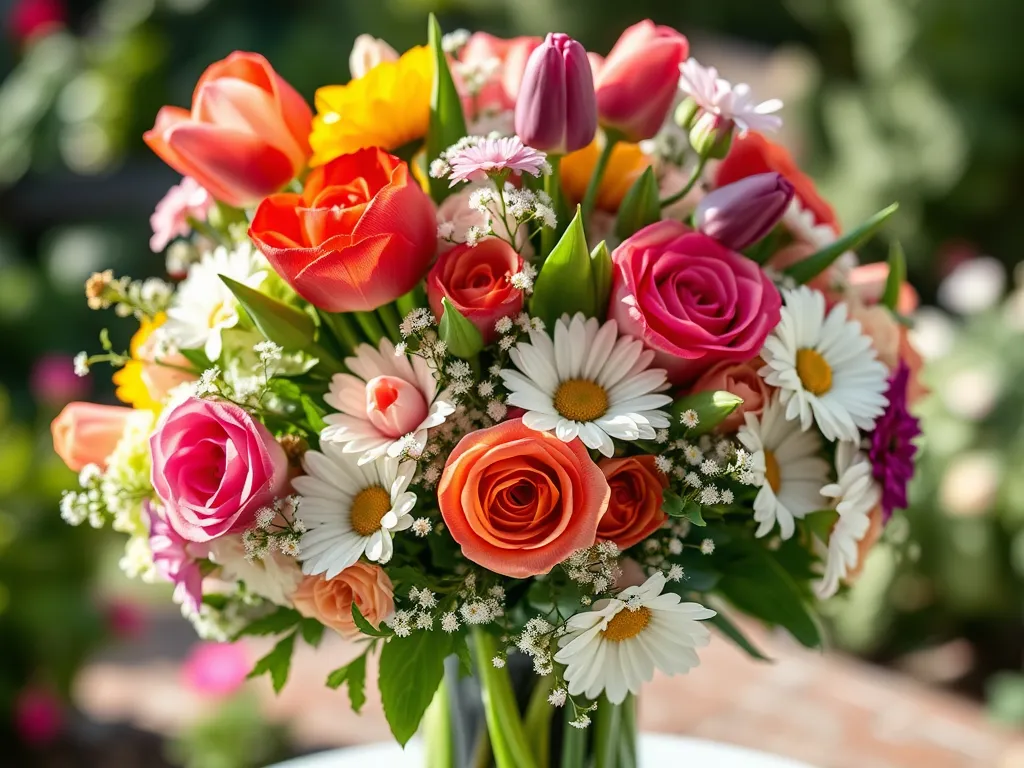
The Art and Techniques of Floral Arrangements
The Art and Techniques of Floral Arrangements is a captivating pursuit that combines creativity, design principles, and an understanding of botany. Whether for personal enjoyment or professional floral design, the craft of floral arranging allows individuals to express emotions, enhance spaces, and celebrate occasions. This article delves into the essential elements of floral arrangements, including flower selection, design principles, necessary tools, various arrangement styles, and the care required to maintain stunning floral displays.
At the foundation of The Art and Techniques of Floral Arrangements lies a deep appreciation for flowers and their diverse qualities. Flower selection is not merely about choosing the most visually appealing blooms; it involves considering seasonal availability, colors, symbolism, and vase life. Properly chosen flowers, based on their attributes and the overall vision of the arrangement, can create stunning works of art that capture attention and evoke emotions.
Many people underestimate the impact of well-designed Floral Arrangements on enhancing the ambiance of any event.
Design principles are crucial in The Art and Techniques of Floral Arrangements, guiding floral artists to create visually appealing compositions. By adhering to rules such as the rule of thirds, balance, and texture, designers can construct arrangements that not only please the eye but also convey a message. The careful incorporation of negative space adds depth and intrigue, allowing each flower to shine in its unique way.
Equipping oneself with the right tools and materials is paramount in The Art and Techniques of Floral Arrangements. From essential cutting tools to various types of floral foam, an understanding of what each tool does and when to use it can enhance the crafting process. Additionally, selecting the appropriate vases or containers based on the arrangement style and using sustainable materials can contribute to both the aesthetic and environmental impact of floral design.
Finally, The Art and Techniques of Floral Arrangements does not end with the creation of floral displays; it extends into the realm of care. Understanding proper hydration techniques, how to lengthen the lifespan of cut flowers, and tips for storing fresh blooms all contribute to the longevity of the arrangement. Moreover, creative repurposing of wilting flowers can lead to new designs, ensuring that nothing goes to waste while providing continual beauty and artistry.
Flower Selection Techniques
Choosing seasonal flowers for arrangements is a fundamental practice in floral design. Seasonal flowers not only tend to be more affordable and healthier but also contribute to eco-friendly practices. Selecting blooms that are in season means they are freshly available, resulting in vibrant colors and longer vase life. Additionally, seasonal selections allow designers to align their arrangements with the natural rhythm of the year, celebrating local flora.
Understanding flower colors and their meanings is essential for imparting the desired emotional response in arrangements. Colors invoke feelings, such as red for love or passion and white for purity and innocence. Consequently, a thoughtful selection of colors can enhance the message conveyed by the floral arrangement, making it resonate more deeply with the observer and recipient.
Selecting flowers based on vase life is a critical consideration in The Art and Techniques of Floral Arrangements. Some blooms may wilt quickly, while others can last for weeks. By choosing flowers known for their longevity, floral designers can create arrangements that remain beautiful for an extended period. This practice is particularly important for event planning and gifting, where durability may significantly enhance the experience.
Grouping flowers for harmony in arrangements is a technique that enhances visual appeal. By combining various blooms in complementary colors, shapes, and sizes, designers can create a balanced and cohesive composition. This approach not only draws the eye but also creates a sense of rhythm and flow in the arrangement, allowing each flower to play its role while contributing to the overall aesthetic.
Design Principles in Floral Arranging
The rule of thirds in flower design is a widely recognized guideline that can lead to dynamic and engaging arrangements. By dividing the arrangement into three sections, designers can achieve a balanced layout that draws the viewer's eye. The placement of focal flowers in alignment with these divisions can guide attention and create an impactful visual statement.
Creating balance and symmetry in arrangements is another fundamental design principle. Symmetrical arrangements can convey elegance and formality, while asymmetrical designs often evoke a more casual and whimsical feel. Mastery of these principles allows floral designers to tailor their arrangements to fit the mood and purpose of the event or setting.
Using texture and shape effectively adds depth and interest to floral arrangements. By incorporating a mix of smooth, spiky, and rounded elements, designers can create a multi-dimensional composition that captivates viewers. The interplay between various textures encourages exploration of the arrangement, inviting observers to appreciate the subtleties of each bloom.
Incorporating negative space for visual interest is a technique that promotes breathing room within floral arrangements. By strategically placing flowers and leaving areas unoccupied, designers create contrast that enhances the beauty of each bloom. The thoughtful use of negative space prevents arrangements from feeling overcrowded and allows each element to stand out.
Tools and Materials for Floral Arrangements
Essential tools for floral designers include sharp cutting tools, floral tape, wire, and scissors. These items are crucial for ensuring clean cuts, securing stems, and building durability in arrangements. Understanding how each tool functions and when to use it is key to executing designs effectively and efficiently.
Types of floral foam and their uses play a significant role in the stability and hydration of floral arrangements. Oasis foam, for example, is widely used for its ability to hold water while securing stems in place. Knowing which type of foam to use for different arrangements and flowers can greatly enhance the success of the design.
Choosing the right vases and containers is another critical aspect of floral arrangement. The style, size, and material of the container can complement or detract from the arrangement. Selecting containers that align with the overall aesthetic of the design is essential for creating a coherent and visually pleasing presentation.
Sustainable materials in flower arranging are increasingly important as environmentally conscious practices gain traction. Designers can opt for biodegradable floral foams, local flowers, or upcycled containers, contributing positively to environmental sustainability while still creating beautiful designs.
Styles of Floral Arrangements
Traditional vs. modern floral design exemplifies the evolution of floral art over the years. Traditional designs often feature symmetrical arrangements with classic blooms, while modern designs emphasize creativity and often incorporate unconventional flowers or shapes. Understanding these differences allows designers to choose styles that best fit their vision and the needs of their clients.
Understanding Ikebana techniques reveals the profound philosophy and aesthetic principles behind Japanese floral design. Ikebana emphasizes simplicity, linearity, and harmony. Each element has a purpose, leading to arrangements that are not only beautiful but deeply meaningful, reflecting the interconnectedness of nature and humanity.
Exploring European floral styles exposes designers to a rich heritage of floral art. Styles like the Dutch master and the rustic French approach offer distinct methods and sensibilities regarding composition, color, and texture. By blending various styles, florists can create unique arrangements that resonate with diverse cultural influences.
Creating minimalist floral arrangements focuses on simplicity and intentionality. By using a limited number of blooms and negative space, designers can create powerful visuals that evoke emotions without overwhelming the viewer. This style encourages a thoughtful selection of elements, celebrating the beauty of each flower on its own merit.
Caring for Your Floral Arrangements
Proper hydration techniques for flowers are crucial for maintaining their freshness. Designers should ensure that the stems are cut at an angle and submerged in water immediately after cutting. Additionally, changing the water frequently and adding flower food can support hydration and prolong the life of floral arrangements.
How to extend the life of cut flowers involves understanding their specific needs for care. Different flowers require varying levels of light and hydration. Knowledge of these requirements can empower floral designers to provide the best care for their arrangements, ensuring they remain vibrant for as long as possible.
Repurposing wilting flowers into new designs is a creative way to minimize waste in floral design. Rather than discarding fading blooms, designers can use them in mixed media art or new arrangements, ensuring continued enjoyment and artistry while demonstrating sustainability.
Storage tips for fresh flowers include keeping them in cool areas away from direct sunlight and ensuring proper hydration. By creating an ideal environment for flowers, designers can preserve their integrity and aesthetics until they are ready to be transformed into beautiful arrangements.