
Exploring the Significance of Seasonal Floral Markets in 2023
The Significance of Seasonal Floral Markets
Seasonal floral markets hold a significant place in both cultural and economic landscapes around the world. These vibrant gatherings not only showcase the beauty and diversity of flowers but also contribute to the community's social fabric, local economy, and sustainability efforts. The Significance of Seasonal Floral Markets can be explored through various perspectives, including their cultural importance, economic impact, sustainability practices, and the evolving trends in flower design and sales.
The cultural importance of seasonal floral markets is multi-faceted, showcasing traditional floral customs that have been passed down through generations. Many cultures utilize flowers in their celebrations, rituals, and festivals, making these markets a hub for both the sale and appreciation of floral art. With roots in ancient traditions, the significance of these markets is reflective of a community’s heritage, where they stand as symbols of beauty, love, and remembrance.
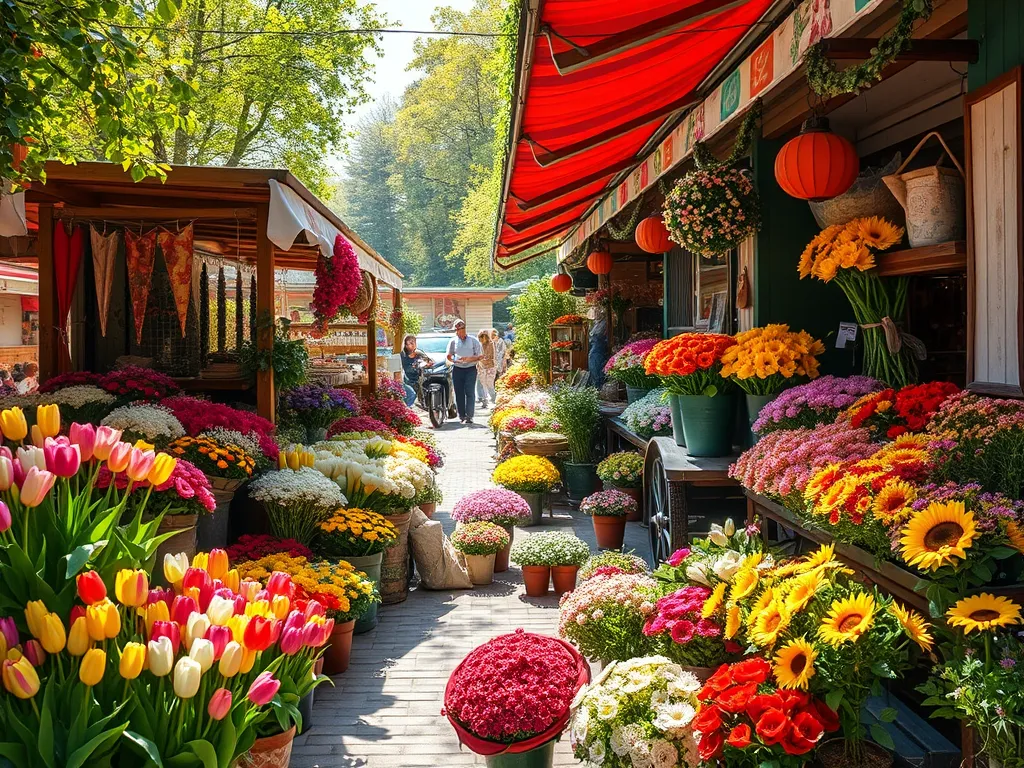
Exploring the vibrant atmosphere of the city's weekend events, visitors can discover unique offerings at the popular Seasonal Floral Markets.
Additionally, seasonal floral markets often align with cultural festivals, creating a unique blend of celebration and commerce. For instance, during spring festivals, vibrant blooms signal the arrival of renewed life, influencing decorations and offerings. The significance of seasonal floral markets is reinforced in these settings, as flowers serve not only as ornamental pieces but also as integral elements in rituals that mark life’s important milestones—from births to weddings to memorials.
Moreover, flowers play an essential role in community celebrations and events, acting as symbols of goodwill and happiness. The significance of seasonal floral markets goes beyond their aesthetic appeal; they represent a philosophy of connection and community spirit. Shared experiences in these markets foster relationships amongst attendees and contribute to the communal joys of shared seasons and cultural expressions.
Conversely, the economic impact of seasonal floral markets is profound, impacting local economies significantly. These markets provide a platform for local growers, florists, and artisans to sell their products directly to consumers, thereby promoting local businesses and keeping money within the community. The significance of seasonal floral markets extends into job creation, where many individuals find employment not only in selling flowers but also in associated roles such as event planning, marketing, and logistics.
Cultural Importance of Floral Markets
Traditional floral customs have deep-rooted origins in various cultures around the world. These customs often stem from historical beliefs, where flowers represented different meanings; for example, roses symbolize love, while lilies signify purity. Understanding these traditions is crucial as they inform the practices and rituals that are observed today. The significance of seasonal floral markets is interconnected with these customs, as they provide a personalized touch to festive occasions and cultural practices.
Floral markets often feature prominently during cultural festivals, serving as focal points for community gatherings. During events such as Diwali in India or the Cherry Blossom Festival in Japan, flowers play a vital role in the celebrations. These markets not only enrich the festivals with their colorful offerings but also promote local artistry and craftsmanship, highlighting the unique identities of diverse cultures. The significance of seasonal floral markets is thus amplified through their role in preserving and celebrating cultural heritage.
Furthermore, the role of flowers in celebrations and rituals cannot be understated. From weddings to funerals, flowers help convey emotions and sentiments that words often cannot express. The markets provide easy access to a variety of floral options, allowing individuals to honor customs and traditions, thereby increasing the significance of seasonal floral markets as vital components of cultural life and heritage.
Economic Impact of Seasonal Floral Markets
The contribution of seasonal floral markets to local economies is substantial, where they act as a source of income for numerous local farmers and businesses. By selling directly to consumers, growers can retain a larger share of profits, thus reinvesting in their farms and sustaining their livelihoods. The significance of seasonal floral markets extends to injecting life into local economies, as they bring together diverse customer bases for the mutual benefit of sellers and buyers alike.
Job creation is another critical aspect of the economic impact of seasonal floral markets. From hiring seasonal workers during peak times to offering full-time positions in floristry and market management, these markets create diverse employment opportunities. This not only supports individuals but also helps strengthen the community's economic structure; thus, the significance of seasonal floral markets can be seen in their role as vital economic engines.
Moreover, the effect of seasonal trends on market pricing plays a pivotal role in shaping the demand and supply cycle. As certain flowers become popular during specific seasons, market prices may fluctuate, encouraging growers to adapt their crops accordingly. This dynamic interaction demonstrates the adaptability of the floral industry, reflecting the broader economic conditions influenced by seasonal floral markets.
Sustainability in Floral Markets
Eco-friendly practices in flower farming are increasingly gaining traction in seasonal floral markets. With a growing awareness of sustainability, many growers are adopting green practices, including organic farming methods and reducing chemical usage. By promoting flowers grown in environmentally responsible ways, these markets contribute to sustainable agricultural practices and raise awareness about the importance of caring for the planet. The significance of seasonal floral markets is magnified when they lead initiatives for environmental stewardship.
Local sourcing is another aspect of sustainability in floral markets. By prioritizing locally grown flowers, markets can reduce carbon footprints associated with long-distance shipping. This approach not only supports local farmers but also ensures that consumers receive fresher flowers. The significance of seasonal floral markets is thus further highlighted through their commitment to sustainable sourcing practices, creating a win-win situation for both the environment and the local economy.
However, challenges do exist within sustainability efforts in floral supply chains. Issues such as seasonal availability, climate change impact, and economic pressures can hinder the progress of sustainable practices in floral markets. Navigating these challenges is critical, and continued commitment to exploring solutions will enhance the significance of seasonal floral markets in promoting not just floral beauty but also environmental and economic resilience.
Trends in Flower Design and Sales
Emerging floral design styles are shaping the way flowers are perceived and presented in seasonal floral markets. Unique arrangements and innovative design concepts are becoming essential in capturing consumer interest, reflecting personal tastes and contemporary trends. Styles that incorporate seasonal colors and themes are not only aesthetically pleasing but also resonate with the idea of celebrating nature's cycles. The significance of seasonal floral markets is evident as they adapt to these trends and showcase creative expressions.
The popularity of seasonal flowers is a trend that cannot be ignored. Flowers that reflect changes in seasons, such as tulips in spring or chrysanthemums in fall, attract customers seeking to connect with nature’s rhythms. As the demand for these seasonal flowers grows, markets play a crucial role in providing varieties that align with these preferences. The significance of seasonal floral markets shines through in their ability to cater to consumer desires while promoting the beauty of nature's temporality.
Innovations in packaging and presentation are also key trends that are enhancing floral sales. Eco-friendly packaging solutions and creative presentation styles are crafting unique customer experiences while adhering to sustainability principles. The significance of seasonal floral markets lies in their ability to incorporate modern practices that not only elevate the aesthetic quality of floral offerings but also promote responsible consumption.
Community Engagement and Floral Markets
Workshops and educational programs offered in seasonal floral markets are vital for community engagement. These initiatives provide individuals with the knowledge and skills needed to appreciate and arrange flowers effectively. By hosting events that teach about flower care, design techniques, and environmental sustainability, markets contribute to the community’s knowledge base and strengthen ties among members. Engaging the community through education reflects the significance of seasonal floral markets in fostering connectedness.
Collaboration with local artisans is another avenue for enhancing community engagement in seasonal floral markets. By featuring local artists, craftsmen, and food vendors, these markets cultivate a sense of community, support local talent, and promote diversity. The significance of seasonal floral markets is reinforced when they serve as platforms for showcasing artistry and creativity, contributing to a vibrant local economy and culture.
Ultimately, the impact of markets on community identity is profound, as they serve as gathering spaces that reflect a community’s character and values. Seasonal floral markets can become cultural landmarks, symbolizing unity and pride among residents. The significance of seasonal floral markets lies in their ability to celebrate community identity, weave connections, and foster a shared sense of belonging through the universal language of flowers.