
Explore Embracing Sustainable Practices in Floristry
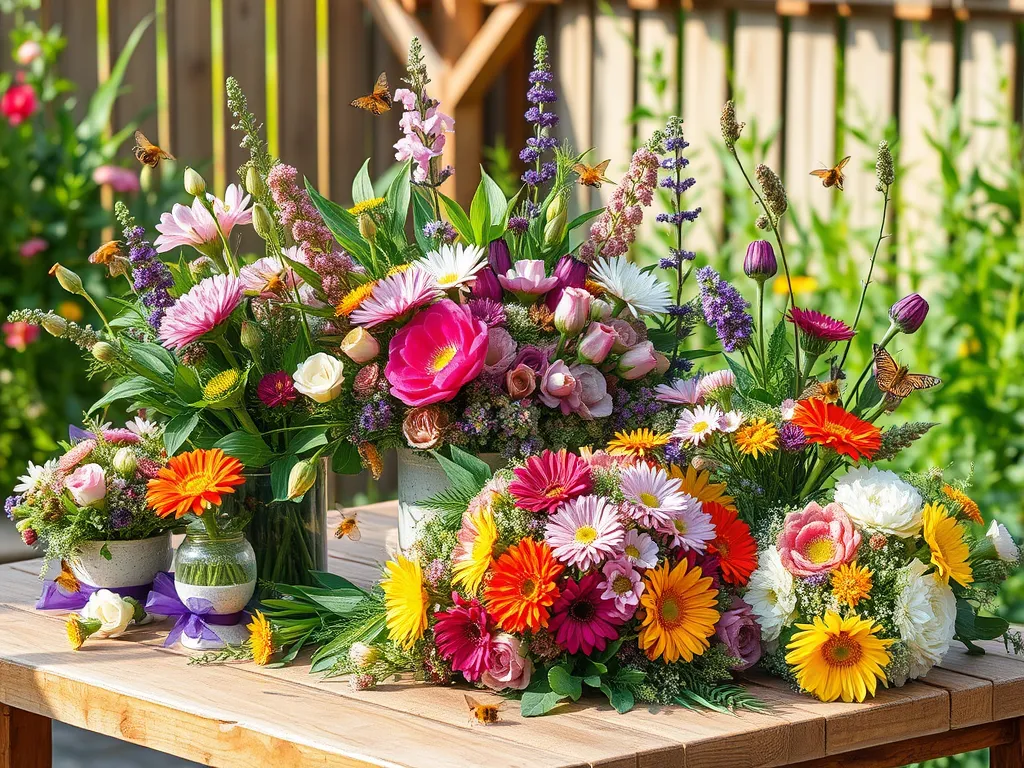
Embracing Sustainable Practices in Floristry
As the world becomes increasingly aware of environmental issues, industries across the board are taking steps to mitigate their impact. Floristry is no exception, as embracing sustainable practices in floristry not only benefits the planet but also enhances floral artistry. Florists worldwide are recognizing the importance of environmentally-friendly methods, from sourcing flowers to design techniques, ultimately leading to a more sustainable industry.
Embracing sustainable practices in floristry begins with evaluating how flowers are sourced. Choosing local and seasonal blooms not only reduces the carbon footprint associated with transportation but also supports local economies. Additionally, utilizing organic farming methods ensures that flowers are grown without harmful pesticides, promoting biodiversity and healthier ecosystems.
Furthermore, florists are also making strides in supporting fair trade flower producers. By ensuring that flowers are sourced from farms that respect workers' rights and provide fair wages, florists contribute to ethical practices within the industry. Embracing sustainable practices in floristry is not just about choosing the right flowers, but also about making informed decisions that have a positive impact on communities and the environment.
In addition to sourcing, sustainable floral design techniques are essential in minimizing waste. Creative approaches such as incorporating dried and preserved flowers into arrangements add unique flair while prolonging the longevity of the design. Using biodegradable materials for arrangements and implementing zero-waste practices—where every component is utilized—further solidifies the commitment to sustainable floristry.
The importance of packaging cannot be overlooked in the movement towards sustainability. Green packaging solutions, such as compostable and recyclable packaging, are increasingly becoming a standard in the industry. By educating customers on the significance of sustainable packaging and branding with eco-friendly materials, florists create an awareness that extends beyond the bouquet—encouraging customers to think about their ecological footprint.
Eco-Friendly Sourcing of Flowers
Choosing local and seasonal blooms is a critical aspect of eco-friendly sourcing in floristry. This approach not only enhances the freshness and vibrancy of arrangements but also significantly reduces the emissions associated with long-distance transportation. By prioritizing locally grown flowers, florists can celebrate regional flora, creating unique and meaningful designs that tell the story of the local landscape.
Utilizing organic farming methods is another essential element of eco-friendly sourcing. Organic flowers are cultivated without synthetic fertilizers or pesticides, resulting in healthier ecosystems. Organic farming encourages biodiversity and soil health, significantly reducing the environmental impact of conventional agriculture. Florists who support organic growers affirm their commitment to sustainability and environmental stewardship.
Supporting fair trade flower producers represents a significant step towards ethical sourcing in the floral industry. By sourcing flowers through fair trade channels, florists can ensure that growers are compensated fairly, work in safe conditions, and have the opportunity for community development. This commitment to social responsibility enhances the ethical profile of floristry and encourages customers to make conscious purchasing choices.
Embracing eco-friendly practices in the floral industry, Sustainable Floristry promotes environmental stewardship while enhancing aesthetic appeal.
Evaluating the carbon footprint of flower sourcing is crucial for floristry businesses aiming to embrace sustainable practices. Understanding the greenhouse gas emissions involved in the sourcing process enables florists to make informed decisions that align with their sustainability goals. This awareness leads to more mindful sourcing practices, encouraging the use of local suppliers and reducing the overall environmental impact.
Sustainable Floral Design Techniques
Incorporating dried and preserved flowers into floral arrangements not only adds a unique aesthetic but also prolongs the lifespan of designs. Dried flowers require less maintenance and further reduce waste, as they can be utilized in various arrangements and decorations. This practice allows florists to experiment with textures, colors, and the creative reuse of materials, enhancing their artistry while promoting sustainability.
Using biodegradable materials for arrangements is a fundamental concept in sustainable floral design. Substituting traditional floral foam—a material that can take centuries to decompose—with alternatives like plant-based foams or natural materials enriches the arrangement while preventing environmental harm. This shift fosters a more sustainable approach to design, demonstrating creativity while adhering to eco-friendly principles.
Creating zero-waste floral designs is an innovative challenge that many florists are eager to embrace. By optimizing the use of every flower and material, florists can craft arrangements that leave no waste behind. For example, flower stems and foliage can be transformed into compost, while excess materials can be repurposed for future designs, reinforcing the idea of sustainability within the creative process.
Exploring upcycling in floristry can yield remarkable results that capture a sustainable ethos. Florists can repurpose materials such as glass jars, old fabrics, or scrap wood to create stunning arrangements and displays. This not only fosters creativity and resourcefulness but also minimizes waste, demonstrating how embracing sustainable practices in floristry can lead to beautiful outcomes with environmental benefits.
Green Packaging Solutions for Floristry
Opting for compostable and recyclable packaging is crucial for florists committed to sustainable practices. Traditional plastic packaging contributes significantly to waste pollution, whereas green packaging provides an eco-friendly alternative. By selecting materials that degrade naturally or can be easily recycled, florists help reduce the environmental footprint associated with their products.
Implementing minimalistic packaging methods is another way to embrace sustainability. By reducing excess packaging, florists can decrease waste while maintaining the elegance of their presentations. Simple yet effective solutions, such as using brown kraft paper or burlap, provide an organic touch while demonstrating a commitment to minimizing environmental impact.
Educating customers on sustainable packaging plays a critical role in promoting eco-friendly practices. Florists can take the opportunity to inform clients about the importance of using sustainable materials and the impact of their choices. This education not only enhances customer experience but also encourages conscious consumer behavior that aligns with environmental values.
Branding with eco-friendly packaging materials conveys a strong message of commitment to sustainability. By utilizing recycled or compostable materials for labels, bags, and other branding elements, florists create a cohesive image that resonates with eco-conscious consumers. This commitment to sustainable branding not only attracts like-minded customers but also enhances brand loyalty and trust.
Impact of Sustainable Practices on Business
Embracing sustainable practices in floristry offers the potential to attract eco-conscious customers. Consumers are increasingly seeking products that align with their values, and florists who prioritize sustainability stand out in a competitive market. By showcasing their commitment to environmentally-friendly practices, florists can engage customers who prioritize ethical consumption and sustainability.
Enhancing brand reputation with sustainability is crucial in the modern market. A sustainable approach fosters trust and builds a positive perception of a business among customers. Florists who embrace eco-friendly practices can effectively communicate their values, creating a brand image synonymous with environmental responsibility and attracting loyal clientele who appreciate mindful practices.
Measuring business success with sustainable metrics encourages florists to go beyond traditional profit margins. By tracking environmental impact, such as waste reduction or carbon footprint, florists can gain insights into their sustainability efforts. This focus on measurable success supports continual improvement and innovation in sustainable practices while illustrating the tangible benefits of eco-friendly choices.
Developing a loyal customer base through green initiatives strengthens the connection between florists and their clientele. Customers are more likely to return to businesses that reflect their values, and by prioritizing sustainability, florists create lasting relationships with eco-conscious consumers. Engaging customers in green initiatives fosters a sense of community, encouraging shared values and collaborative efforts for a healthier planet.
Community Engagement and Eco-Education
Hosting workshops on sustainable floristry provides an opportunity for education and engagement within the community. These workshops can empower individuals with knowledge about eco-friendly practices, encouraging them to make sustainable choices in their floral endeavors. By sharing expertise and techniques, florists cultivate a culture of ecological consciousness that extends beyond their business.
Collaborating with local environmental groups presents a unique chance for florists to grow community connections while advocating for sustainability. Joint initiatives, such as tree planting or habitat restoration, help florists demonstrate their commitment to environmental stewardship while engaging customers and clients in meaningful actions that benefit the planet.
Creating community gardens for floral education encourages the local population to engage with sustainable practices. These gardens serve as living classrooms where individuals can learn about flower cultivation, organic gardening, and ecological balance. Through hands-on experiences, florists cultivate awareness and inspire future generations to embrace sustainability in their floral aspirations.
Promoting sustainable practices in the floral industry extends the impact of florists’ efforts beyond their individual businesses. By sharing knowledge, resources, and initiatives, florists can encourage sustainable practices across the industry. Recognizing that the collective movement toward sustainability leads to meaningful change empowers florists to become advocates for a greener future in floristry.