
Embracing Sustainable Practices in Floristry: A Green Bloom
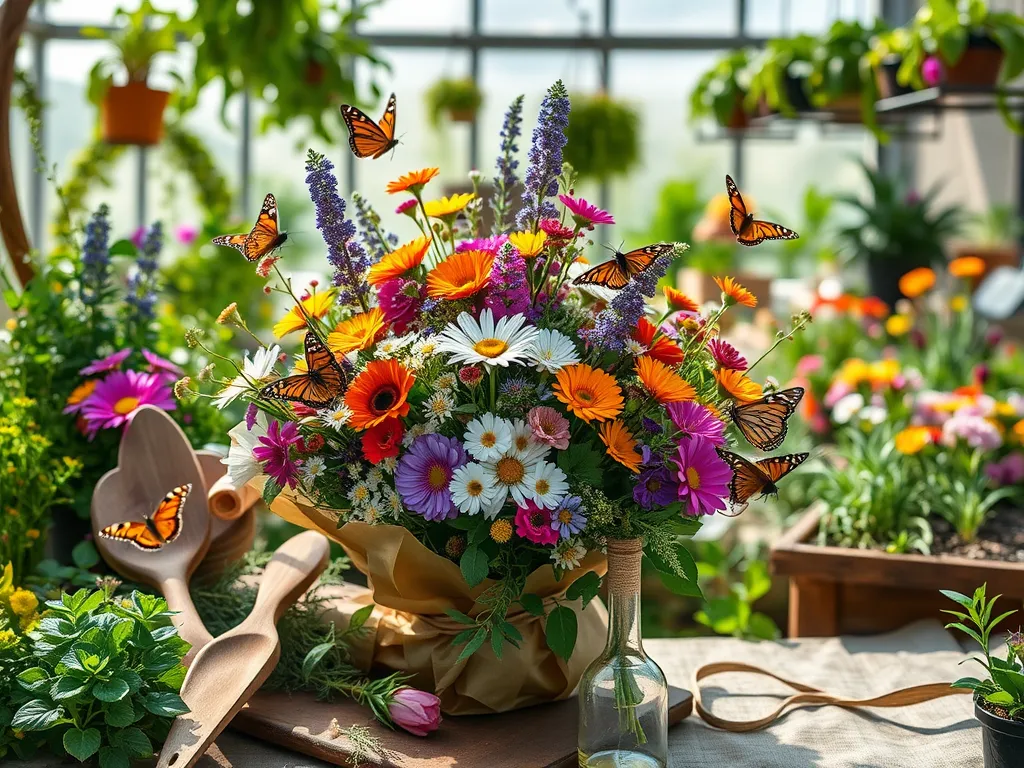
Sustainable Practices in Floristry
Sustainable Practices in Floristry are increasingly becoming a critical aspect of the floral industry as businesses and consumers alike seek to make environmentally conscious choices. This guide explores various methodologies florists can adopt to ensure their practices are sustainable, helping mitigate the environmental impact often associated with floral sourcing, design, and delivery.
First and foremost, florists can prioritize Eco-Friendly Sourcing. This involves choosing local flowers and plants, which not only supports local economies but also reduces carbon emissions related to transportation. Utilizing organic farming methods is another key component, as it eliminates the use of harmful pesticides and promotes biodiversity.
Supporting sustainable flower farms is vital in the sustainable floristry movement. By sourcing from farms that employ sustainable practices, florists can encourage environmentally friendly production methods. Furthermore, understanding the impact of imported flowers is crucial, as many imported varieties contribute to deforestation and other environmental issues.
Another important area is Waste Reduction Techniques. Florists can implement strategies such as composting floral waste to transform what would otherwise be discarded into nutrient-rich soil amendments. Repurposing leftover materials creatively can also minimize waste, while implementing water-saving practices can drastically reduce water usage in arrangements and maintenance.
To complement these practices, Sustainable Packaging Solutions are essential. Florists can explore recyclable packaging options and innovate with reusable containers. Reducing plastic in floristry is imperative, and developing minimal waste delivery systems can also help decrease the overall environmental footprint of floral transactions.
Embracing Sustainable Floristry not only benefits the environment but also enhances the beauty of floral arrangements.
Eco-Friendly Sourcing
Choosing local flowers and plants is one of the most effective ways to ensure sustainability in floristry. Not only does this practice support local economies, but it also reduces the carbon footprint associated with transporting flowers over long distances.
Utilizing organic farming methods adds another layer of sustainability. By avoiding synthetic pesticides and fertilizers, florists can preserve the natural ecosystem and promote soil health. Organic practices help sustain diverse ecosystems and reduce pollution.
Supporting sustainable flower farms is vital in promoting environmentally responsible growth. Florists can actively choose to source their products from farms that adhere to sustainable practices such as crop rotation and reduced chemical use, fostering a healthier planet.
Understanding the impact of imported flowers is also an essential consideration. Many imported flowers are grown in conditions that are harmful to local ecosystems, leading to issues such as deforestation and biodiversity loss. By opting for locally sourced products, florists can help mitigate these concerns.
Waste Reduction Techniques
Composting floral waste is a straightforward yet effective technique for reducing waste in the floristry business. By transforming unsold or expired flowers into compost, florists can return nutrients to the soil and minimize landfill contributions.
Repurposing leftover materials offers creative solutions to waste management. Florists can use excess foliage or unused stems in arrangements or as decorative accents, ensuring that every component is utilized creatively and beneficially.
Implementing water-saving practices is crucial in the floristry industry. Techniques such as using water-efficient irrigation systems can significantly decrease water consumption while maintaining healthy plants.
Using biodegradable floral foam is an innovative way to further reduce waste. Unlike traditional floral foams, biodegradable alternatives break down naturally and do not release harmful chemicals into the soil, making them a wiser choice for eco-conscious florists.
Sustainable Packaging Solutions
Exploring recyclable packaging options is a necessary aspect of sustainable floristry. Florists can choose boxes and wraps made of recyclable materials, reducing plastic waste and encouraging eco-friendly practices among customers.
Innovating with reusable containers can also enhance sustainability. By offering rental services for vases or promoting return incentives for containers, florists can reduce single-use packaging significantly.
Reducing plastic in floristry is imperative. Options such as using paper wraps or alternative materials instead of plastic sleeve are effective in minimizing plastic waste while still presenting beautiful arrangements.
Developing minimal waste delivery systems is another strategy florists can adopt. By consolidating deliveries and minimizing packaging, florists can contribute to a more sustainable distribution process.
Community Engagement in Eco-Friendly Floristry
Organizing workshops on sustainable practices can educate both florists and customers. These workshops enhance awareness and encourage the adoption of green practices throughout the community.
Collaborating with local environmental organizations can amplify the impact of sustainable floristry initiatives. Joint efforts can help raise awareness around ecological issues and lead to community-led solutions.
Educating clients about sustainable choices can help promote eco-friendly options in floral design. By informing customers on how their purchasing decisions impact the environment, florists can help drive demand for sustainable products.
Promoting local flora and biodiversity is vital to community engagement. Florists can highlight the importance of native plants in arrangements and advocate for their inclusion in floral design to support local ecosystems.
Trends in Sustainable Floristry
The emergence of eco-conscious wedding florals showcases the increasing demand for sustainable options in special events. Couples are seeking florists who prioritize sustainability, which is leading to a rise in eco-friendly wedding arrangements.
The popularity of dried flower arrangements is another trend in sustainable floristry. Dried flowers not only have a longer lifespan but also reduce waste associated with fresh flowers, offering a charming, rustic aesthetic.
The rise of plant-based dyes in floral design reflects a broader trend towards sustainability. Florists are seeking natural alternatives to chemical dyes, keeping their products eco-friendly and visually unique.
Finally, the integration of permaculture principles in floristry signifies a long-term commitment to sustainability. By using methods that work with nature, rather than against it, florists enhance their practices and contribute positively to their local environments.